

The Skagen Painters: A Golden Age of Danish Art
The Skagen Painters, or "Skagensmalerne" in Danish, were a group of Scandinavian artists who, from the late 1870s until the early twentieth century, gathered in the remote fishing village of Skagen at the northernmost tip of Denmark. Drawn by the unique light, unspoiled landscapes, and the authenticity of the local way of life, these artists helped forge one of the most illustrious chapters in Danish and indeed Nordic art history. Their legacy is one of camaraderie, innovation, and a deep connection to nature, which resonated through their evocative depictions of Skagen’s beaches, fishermen, and social gatherings.
Origins and Context
The movement began when Michael Ancher first visited Skagen in 1874, having been inspired by the wild, windswept beauty of the region. He was soon joined by other artists, friends, and eventually his wife, Anna Ancher, who herself was a native of Skagen and became one of the group’s most celebrated members. The influx of painters, writers, and intellectuals created a vibrant artistic colony that thrived on collaboration, discussion, and a shared fascination for their surroundings.
The Skagen painters were influenced by the French Impressionists, particularly in their desire to paint en plein air (outdoors), capturing the fleeting effects of the Skagen light and the atmosphere of the coast. However, their work retained a distinctly Nordic sensibility, blending realism with a poetic, often sombre mood that reflected the harshness and beauty of life by the sea.
Key Members of the Skagen Painters
• Peder Severin Krøyer (P.S. Krøyer) (1851–1909)
• Marie Krøyer (1867–1940)
• Laurits Tuxen (1853–1927)
• Viggo Johansen (1851–1935)
• Holger Drachmann (1846–1908)
• Carl Locher (1851–1915)
• Oscar Björck (1860–1929)
• Johan Krouthén (1858–1932)
• Thorvald Niss (1842–1905)
• Frederik Lange (1848–1907)
• Eilif Peterssen (1852–1928)
While these were the most prominent, other artists and intellectuals also visited and contributed to the Skagen environment, making the community both dynamic and diverse.
Life and Art in Skagen
The Skagen artists were united by more than just their painting; they shared a communal and almost bohemian lifestyle. Brøndums Hotel became their social hub, a place for lively discussions, dinners, and artistic exchange. The hotel’s dining room, still preserved today, features the artists’ group portraits and paintings, many of which were bartered in exchange for board and lodging.
The painters were fascinated by the daily lives of Skagen’s fishermen and their families. Michael Ancher, in particular, became renowned for his powerful depictions of fishermen braving the sea, such as in "The Lifeboat is Taken through the Dunes" and "Will He Round the Point?" These works captured both the perilous nature of the fishermen’s profession and their stoic heroism.
Anna Ancher, the only Skagen painter native to the town, brought a unique perspective. Her works often focused on interiors bathed in the distinctive Skagen light, as seen in "Sunshine in the Blue Room" and "Harvesters." She had a remarkable ability to capture the subtleties of colour and light, infusing her domestic scenes with a sense of quiet introspection.
P.S. Krøyer, perhaps the most internationally renowned of the group, excelled in portraying the social life of the colony. His masterpiece "Summer Evening on Skagen’s Southern Beach" shows artists and friends gathered in the luminous twilight, while "Hip, Hip, Hurrah!" is a jubilant depiction of a garden party, brimming with joie de vivre. Krøyer was also a master of marine painting, capturing the vastness and moods of the sea with impressionistic flair.
Marie Krøyer, P.S. Krøyer’s wife, was also a talented artist and designer, though her own work was often overshadowed by her husband’s fame and the demands of family life. Laurits Tuxen, another significant figure, contributed monumental works and was a leading portraitist of European royalty, but he too found inspiration in Skagen’s landscape and community.
Viggo Johansen was noted for his intimate domestic scenes and mastery of light, while Holger Drachmann, both a painter and a celebrated poet, captured the drama of the sea and the romance of Skagen’s environment. Carl Locher specialised in evocative seascapes, and Christian Krohg, a Norwegian, brought a social realist approach to his depictions of Skagen’s people and daily life.
Artistic Style and Influence
The Skagen painters shared a commitment to realism and naturalism, but their styles varied considerably. Some, like Michael Ancher and Christian Krohg, emphasised narrative and social commentary, while others, such as Anna Ancher and P.S. Krøyer, were more concerned with light, mood, and colour. The use of en plein air technique allowed them to depict the changing weather and times of day with immediacy and vibrancy.
Their palette was often brightened by the clarity of the Nordic light, with sandy yellows, cool blues, and the silver-grey of the sea recurring throughout their works. The interplay of indoor and outdoor scenes, as well as the contrast between the harshness of the fishermen’s lives and the conviviality of the artists’ gatherings, became central themes.
Legacy and Enduring Appeal
By the early twentieth century, changes in art and society led to the dispersal of the Skagen colony. However, their impact on Danish and Scandinavian art was profound. They helped shift the focus from academic history painting to the depiction of contemporary life and landscape, paving the way for modern art in the region.
Many of the Skagen painters’ works are now housed in the Skagens Museum, established in 1908, which remains a major cultural attraction. The preserved artists’ homes, such as the Anchers’ House and the Krøyers’ House, allow visitors to step into the world of these painters, experiencing the same light and landscapes that inspired them.
Today, the story of the Skagen painters resonates as a testament to the power of community, the importance of place, and the enduring fascination of capturing life as it is lived. Their paintings continue to enchant viewers with their honesty, beauty, and the singular atmosphere of Skagen, a place where art and life blended under the boundless Nordic sky.
Images to download
-


Scandinavian Art - 86 High Resolution Images
Vendor:Digital Download - 86 imagesRegular price £5.00Regular priceUnit price per -


Krøyer, Peder Severin (1851-1909) - Summer Evening on the Southern Beach 1893
Vendor:Digital Download - 1 imageRegular price £0.80Regular priceUnit price per -


Krøyer, Peder Severin (1851-1909) - The Artists' Luncheon 1883
Vendor:Digital Download - 1 imageRegular price £0.80Regular priceUnit price per -


Krøyer, Peder Severin (1851-1909) - Summer Evening at Skagen 1892
Vendor:Digital Download - 1 imageRegular price £0.80Regular priceUnit price per -


Krøyer, Peder Severin (1851-1909) - Portrait of Bertha Cecilie Krøyer 1872
Vendor:Digital Download - 1 imageRegular price £0.80Regular priceUnit price per -

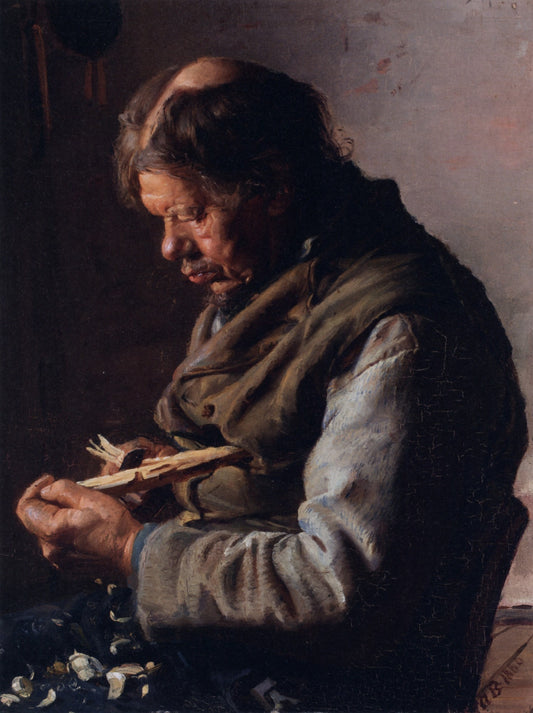
Ancher, Anna (1859-1935) - Lars Gaihede carving a stick 1880
Vendor:Digital Download - 1 imageRegular price £0.80Regular priceUnit price per -


Krohg, Christian (1852-1925) - The Net Minder 1879
Vendor:Digital Download - 1 imageRegular price £0.80Regular priceUnit price per -


Krohg, Christian (1852-1925) - Sleeping Mother 1883
Vendor:Digital Download - 1 imageRegular price £0.80Regular priceUnit price per -


Krohg, Christian (1852-1925) - Portrait of Karl Nordstrom 1882
Vendor:Digital Download - 1 imageRegular price £0.80Regular priceUnit price per -


Krohg, Christian (1852-1925) - Portrait of Gerharde Munthe 1885
Vendor:Digital Download - 1 imageRegular price £0.80Regular priceUnit price per -


Krohg, Christian (1852-1925) - Albertine in the Police Doctor's Waiting Room 1886-7
Vendor:Digital Download - 1 imageRegular price £0.80Regular priceUnit price per -


Krøyer, Peder Severin (1851-1909) - Summer Evening on the Skagen Beach 1899
Vendor:Digital Download - 1 imageRegular price £0.80Regular priceUnit price per -


Krøyer, Peder Severin (1851-1909) - Roses, Garden in Skagen 1883
Vendor:Digital Download - 1 imageRegular price £0.80Regular priceUnit price per -


Krøyer, Peder Severin (1851-1909) - Hip, Hip, Hurrah, Artists Party at Skagen 1884-88
Vendor:Digital Download - 1 imageRegular price £0.80Regular priceUnit price per -


Krøyer, Peder Severin (1851-1909) - Fishermen on the Skagen 1883
Vendor:Digital Download - 1 imageRegular price £0.80Regular priceUnit price per -

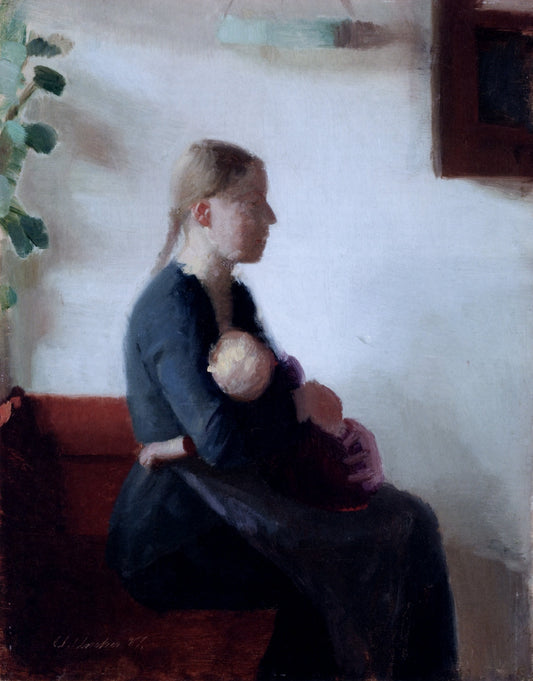
Ancher, Anna (1859-1935) - Young Mother with her Child 1887
Vendor:Digital Download - 1 imageRegular price £0.80Regular priceUnit price per -

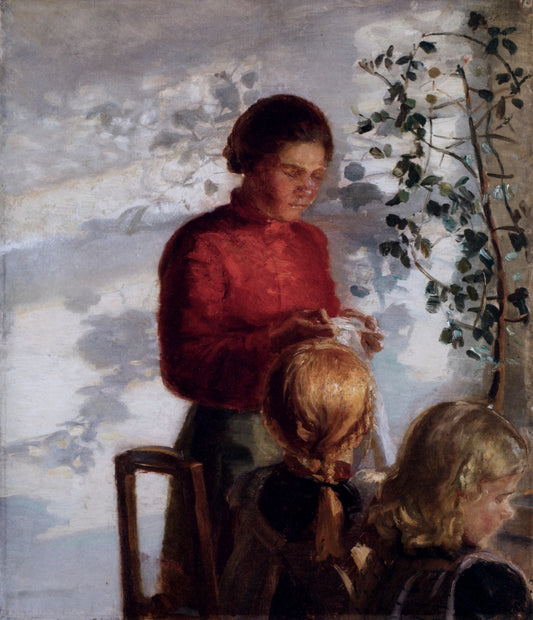
Ancher, Anna (1859-1935) - Two Little Girls Being Taught How to Sew c.1907
Vendor:Digital Download - 1 imageRegular price £0.80Regular priceUnit price per -

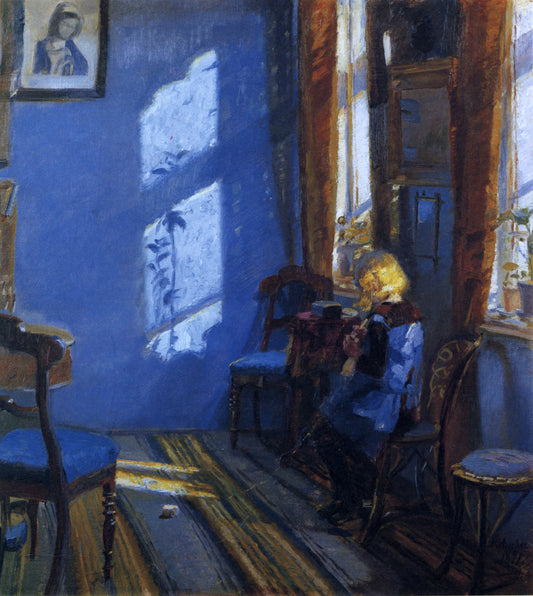
Ancher, Anna (1859-1935) - Sunlight in the Blue Room 1891
Vendor:Digital Download - 1 imageRegular price £0.80Regular priceUnit price per -

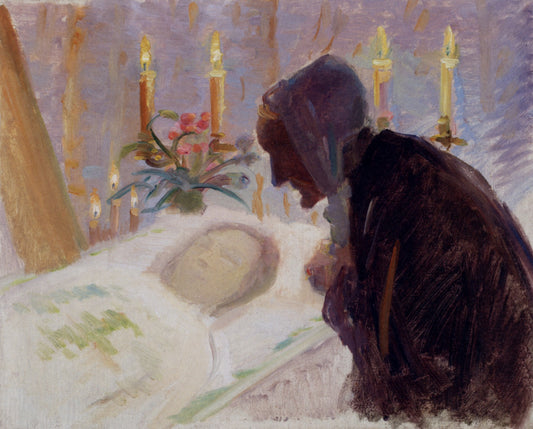
Ancher, Anna (1859-1935) - Mrs Brøndum at the Bed of her Daughter Agnes 1910
Vendor:Digital Download - 1 imageRegular price £0.80Regular priceUnit price per -

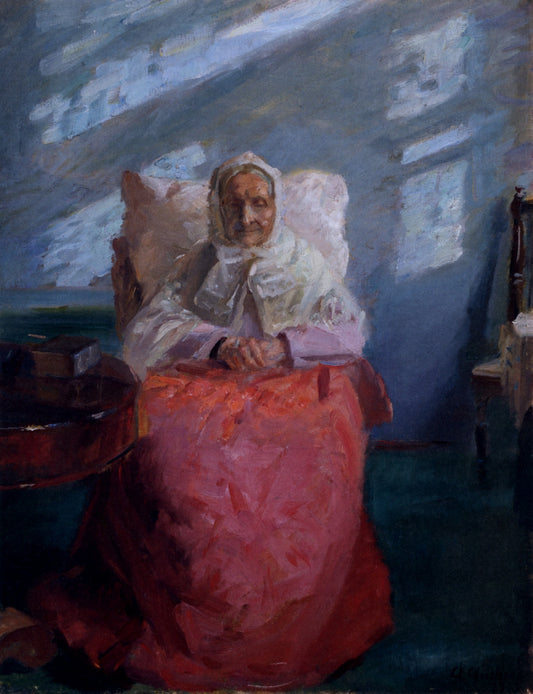
Ancher, Anna (1859-1935) - Mrs Ane Brøndum in the Blue Room 1913
Vendor:Digital Download - 1 imageRegular price £0.80Regular priceUnit price per -

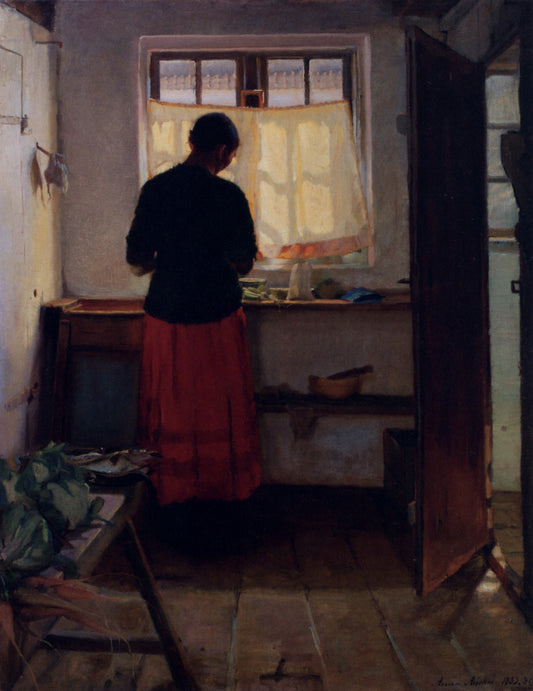
Ancher, Anna (1859-1935) - Maid in the Kitchen 1883-6
Vendor:Digital Download - 1 imageRegular price £0.80Regular priceUnit price per -

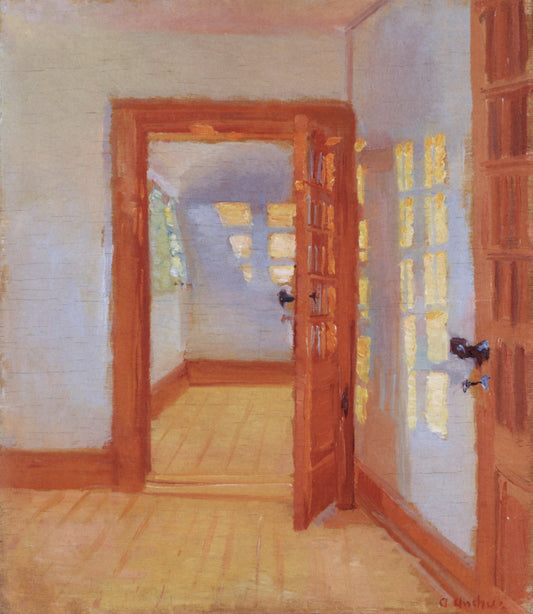
Ancher, Anna (1859-1935) - Interior, Brøndum's Annex c.1916
Vendor:Digital Download - 1 imageRegular price £0.80Regular priceUnit price per -

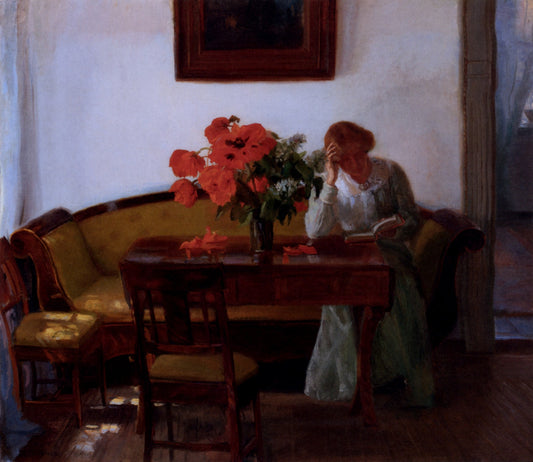
Ancher, Anna (1859-1935) - Interior with Red Poppies 1905
Vendor:Digital Download - 1 imageRegular price £0.80Regular priceUnit price per -

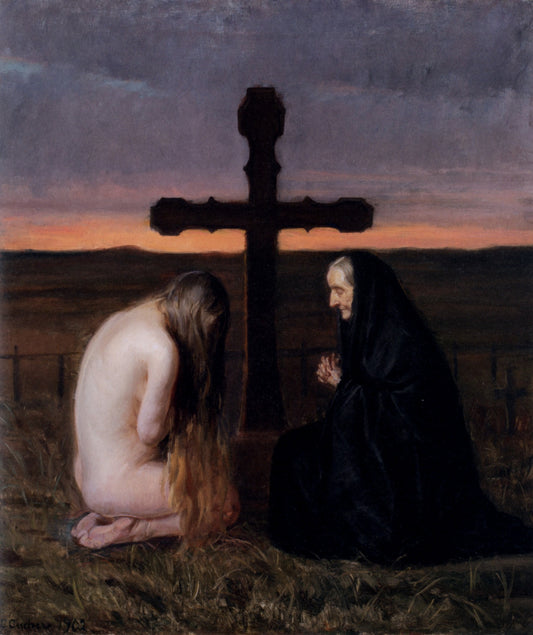
Ancher, Anna (1859-1935) - Grief 1902
Vendor:Digital Download - 1 imageRegular price £0.80Regular priceUnit price per -

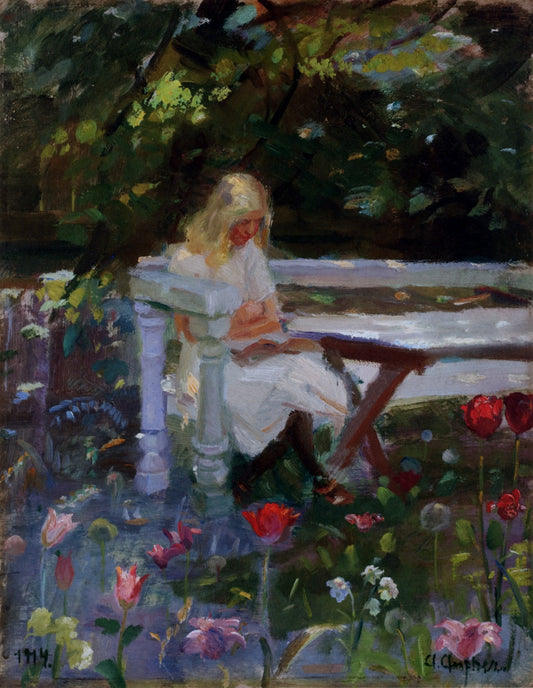
Ancher, Anna (1859-1935) - Girl in the Garden in Summertime, Skagen 1914
Vendor:Digital Download - 1 imageRegular price £0.80Regular priceUnit price per -

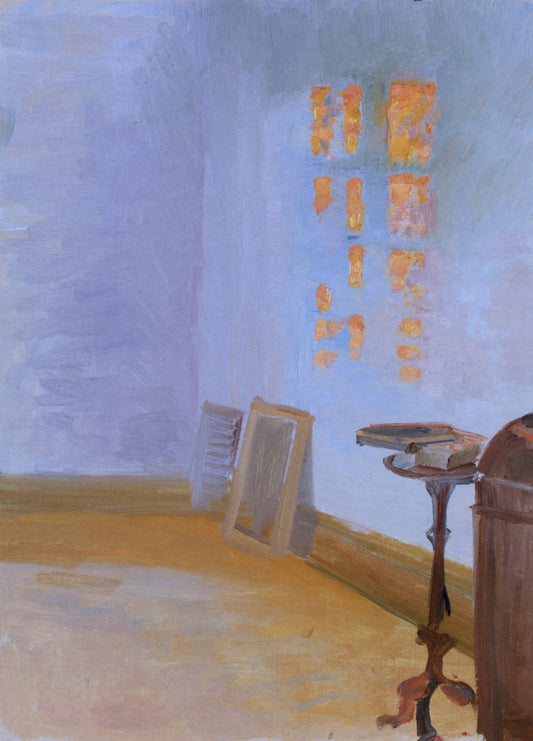
Ancher, Anna (1859-1935) - Evening Sun in the Artist's Studio at Markvej c.1913
Vendor:Digital Download - 1 imageRegular price £0.80Regular priceUnit price per -

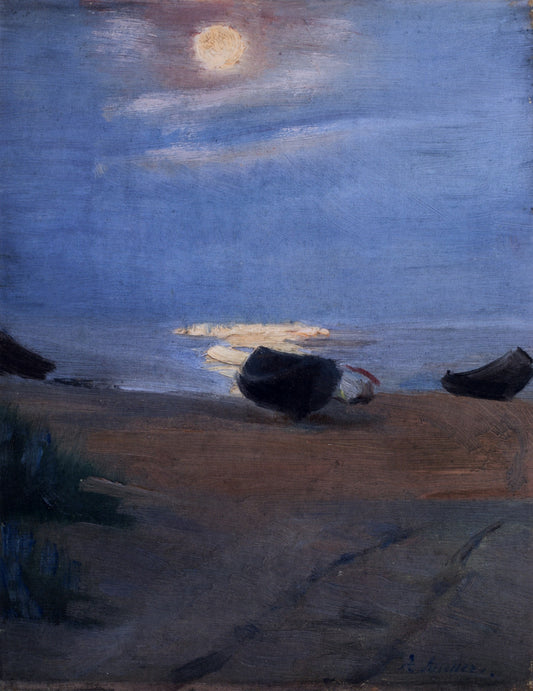
Ancher, Anna (1859-1935) - Boats at Sønderstrand, Moonlight c.1883
Vendor:Digital Download - 1 imageRegular price £0.80Regular priceUnit price per -

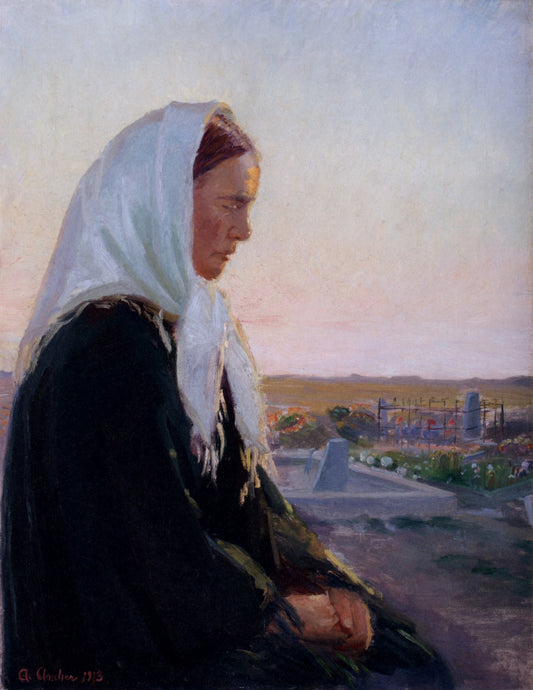
Ancher, Anna (1859-1935) - At the Grave 1913
Vendor:Digital Download - 1 imageRegular price £0.80Regular priceUnit price per -

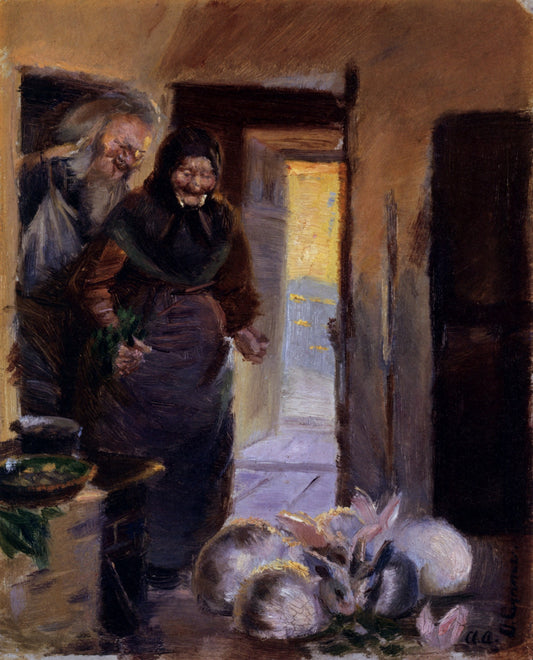
Ancher, Anna (1859-1935) - An Old Couple with their Rabbits 1891-3
Vendor:Digital Download - 1 imageRegular price £0.80Regular priceUnit price per -

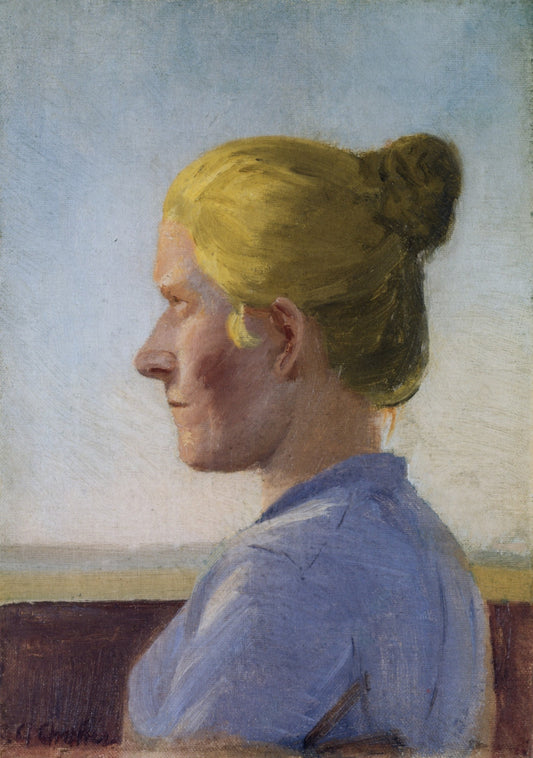
Ancher, Anna (1859-1935) - A Young Girl from Skagen c.1900
Vendor:Digital Download - 1 imageRegular price £0.80Regular priceUnit price per -

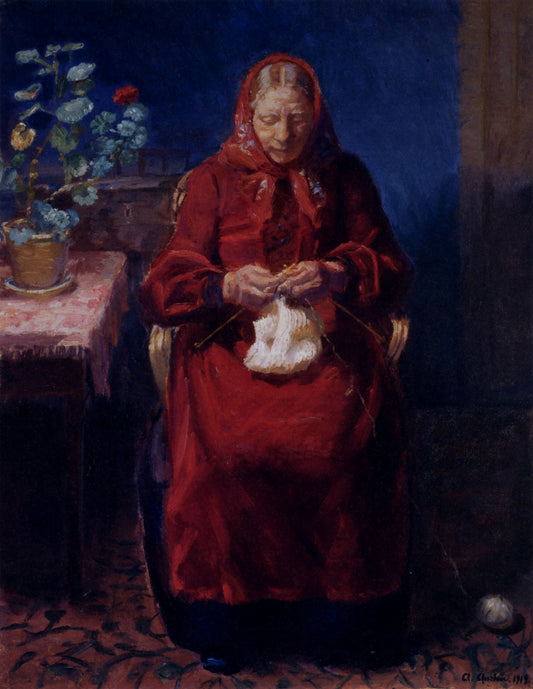
Ancher, Anna (1859-1935) - A Woman Knitting, Evening Light 1919
Vendor:Digital Download - 1 imageRegular price £0.80Regular priceUnit price per -

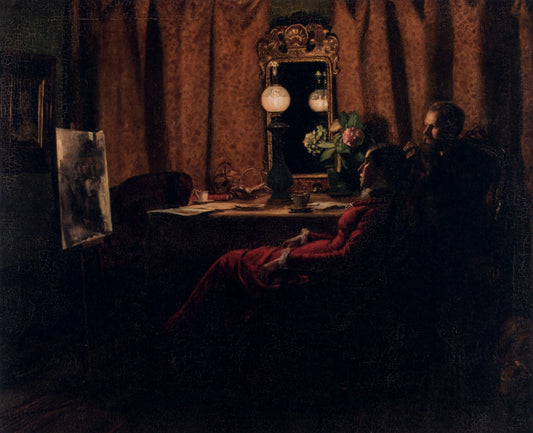
Ancher, Anna (1859-1935) & Michael Ancher (1849-1927) - Judgement of a Day's Work 1883
Vendor:Digital Download - 1 imageRegular price £0.80Regular priceUnit price per -

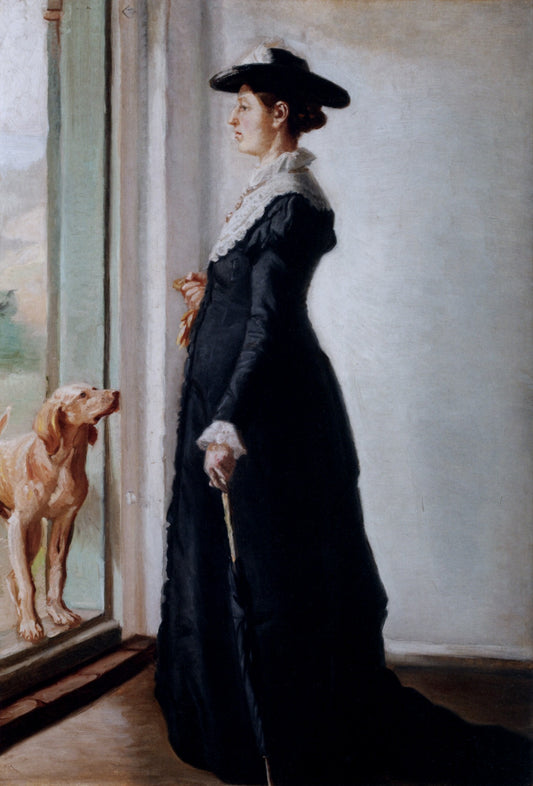
Ancher, Michael (1849-1927) - Anna Ancher Standing in the Doorway 1883
Vendor:Digital Download - 1 imageRegular price £0.80Regular priceUnit price per -

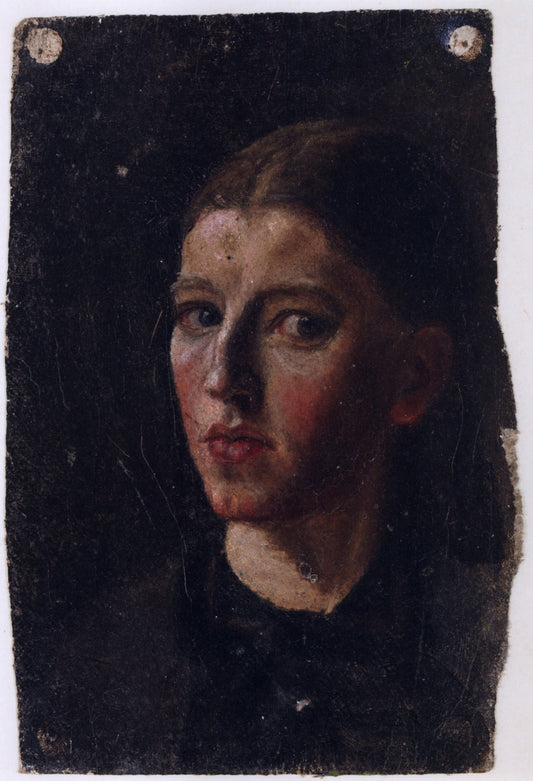
Ancher, Anna (1859-1935) - Self-portrait c.1879
Vendor:Digital Download - 1 imageRegular price £0.80Regular priceUnit price per


Latest Picture Trove Blog Posts
View all-

William Morris’s Strawberry Thief: The Story Behind a Classic Arts and Crafts Pattern
Few William Morris designs are as instantly recognisable as Strawberry Thief. With its richly patterned foliage, small red strawberries and watchful birds hidden among curling leaves, it has become one of the most loved designs of the Arts and Crafts movement.
William Morris’s Strawberry Thief: The Story Behind a Classic Arts and Crafts Pattern
Few William Morris designs are as instantly recognisable as Strawberry Thief. With its richly patterned foliage, small red strawberries and watchful birds hidden among curling leaves, it has become one of the most loved designs of the Arts and Crafts movement.
-

Glasgow and the Mackintosh Style
We recently took ourselves off to Scotland, and on our travels, we popped into the Mackintosh Tea Rooms in Glasgow for a bit of a nose around and a spot of lunch.
Glasgow and the Mackintosh Style
We recently took ourselves off to Scotland, and on our travels, we popped into the Mackintosh Tea Rooms in Glasgow for a bit of a nose around and a spot of lunch.
-

A Trip to Edinburgh & Glasgow, and Scottish Art
We have just returned from a well-deserved few days' break in Scotland, visiting both Edinburgh and Glasgow, taking in Scottish art and tea rooms!
A Trip to Edinburgh & Glasgow, and Scottish Art
We have just returned from a well-deserved few days' break in Scotland, visiting both Edinburgh and Glasgow, taking in Scottish art and tea rooms!


